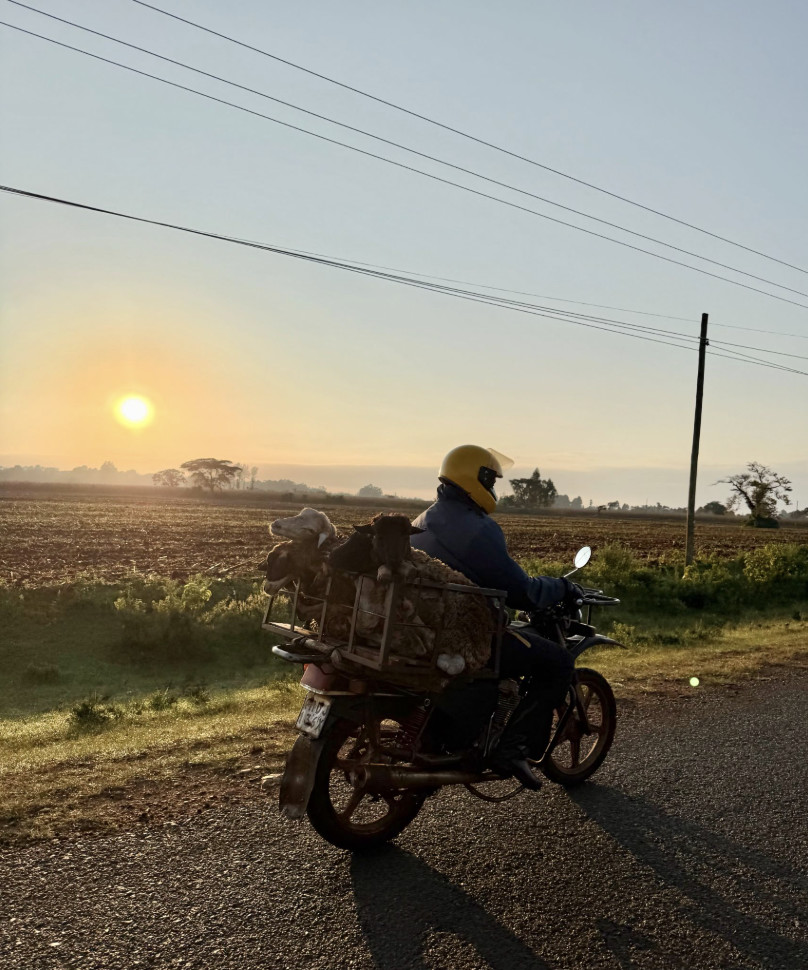
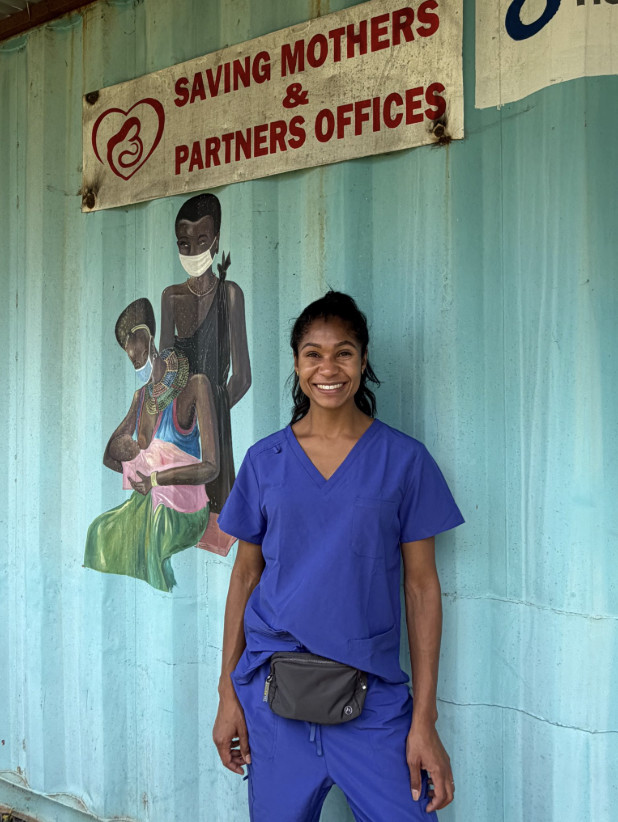
Doximity’s physicians-first commitment is rooted in care, for clinicians and for the communities they serve. Doximity.org brings this to life by investing in programs that empower physicians to make a difference beyond the clinic and their local communities. This past fall, I had the privilege of volunteering with Saving Mothers in Kapenguria, Kenya, where red dirt roads stretch for miles between villages and hospitals. Maternal mortality here remains among the highest in the world at 362 deaths per 100,000 live births. Against this backdrop, the work of Saving Mothers felt both urgent and deeply meaningful. The team of five surgeons, three nurses and scrub techs performed 16 life-changing surgeries in three days, from fibroid removals to obstetric fistula repairs and hysterectomies, conditions that often devalue and ostracize women.
When I walked through the labor and delivery ward, I was struck by the ease of the women in active labor. One woman, dressed in a gold-embroidered gown, labored quietly in a small, bare-bones labor bay. In some rooms, families of 6 shared a single hospital bed, covered in colorful shuka cloth from home, while others spilled into the hallways. Despite the conditions, the women were calm and resilient even as they faced hours of pain and discomfort. It was a quiet reminder of how much strength the women here carry, often shouldering the responsibilities of their families while lacking autonomy over their own health. Many women labor for days at home, sometimes enduring complications like severe pelvic floor damage or fistula. In West Pokot County, female genital cutting, a practice rooted in gender inequality, remains common despite global efforts to end it. At the same time, C-sections, even when medically necessary, are often stigmatized as “not womanly,” leading some women to avoid them at great medical risk.
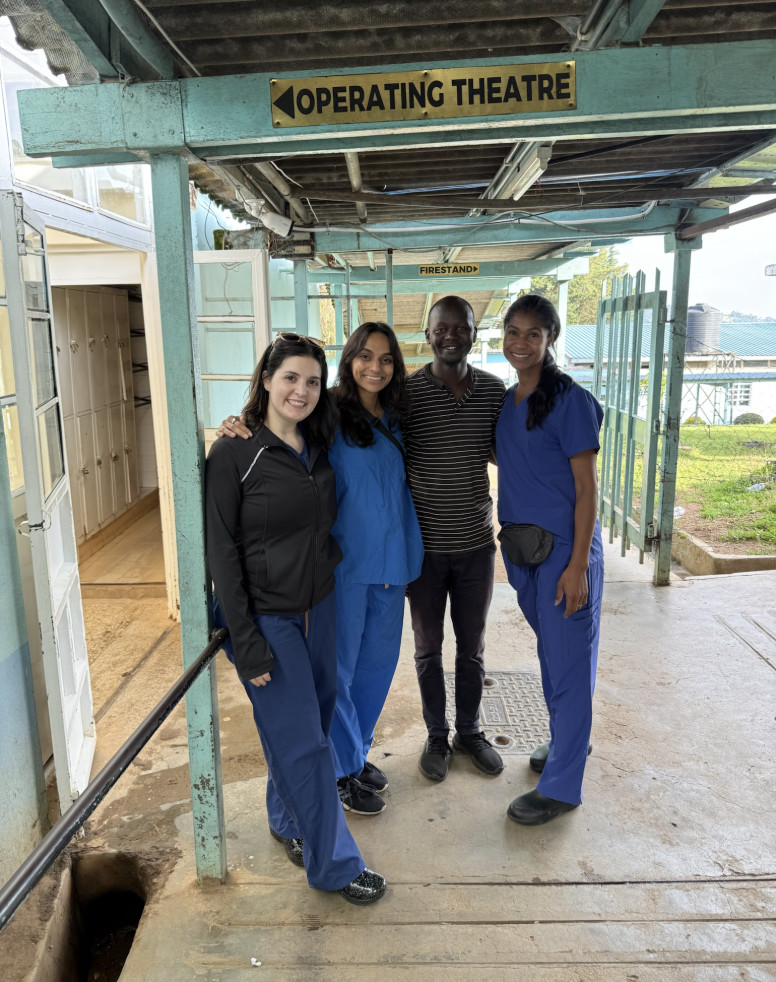
Saving Mothers addresses some of these challenges with a combination of surgical care, family planning services, and training for Traditional Birth Attendants, local midwives who provide prenatal care and help women put a plan in place so they can reach hospitals in the event of pregnancy complications. Watching the collaboration between the visiting and local teams was inspiring. In operating rooms where supplies were limited and every tool was carefully reused and sterilized by hand, everyone brought their expertise, adapted to limited resources, and innovated in real time to save lives and restore dignity.
Even though I did not perform surgery, I felt closely connected to the work through unpacking and organizing equipment, sterilizing surgical tools, and assisting in the operating room wherever needed. The teamwork was seamless, and the gratitude of the patients made every small task feel meaningful. One of the visiting surgeons reflected on how different this experience felt from practicing in the U.S., where expectations and resources can make it seem like you could always “do more or be better.” In Kenya, she said, the impact of her work was immediate and felt truly appreciated, a feeling she had never experienced before. That sense of perspective and gratitude was profound.
It was a reminder of how fulfilling medicine can be when effort translates so directly into impact, something that can be easily lost in environments where physicians feel stretched beyond capacity, unseen, or like their best isn’t enough.
Overall, my experience volunteering with Saving Mothers highlighted a few things: the resilience of women and the importance of equitable access to care, and the power of collaboration. Women in West Pokot are the pillars of their families, yet without support and access to care, their health is often at risk. Programs like Saving Mothers show what’s possible when local knowledge, thoughtful innovation, and strong teamwork come together, making a meaningful difference for both patients and the clinicians who care for them.